- 您現(xiàn)在的位置:買賣IC網(wǎng) > PDF目錄382741 > Z80B-DART Z8 Microcontrollers PDF資料下載
參數(shù)資料
| 型號: | Z80B-DART |
| 英文描述: | Z8 Microcontrollers |
| 中文描述: | Z8微控制器 |
| 文件頁數(shù): | 94/222頁 |
| 文件大?。?/td> | 1595K |
| 代理商: | Z80B-DART |
第1頁第2頁第3頁第4頁第5頁第6頁第7頁第8頁第9頁第10頁第11頁第12頁第13頁第14頁第15頁第16頁第17頁第18頁第19頁第20頁第21頁第22頁第23頁第24頁第25頁第26頁第27頁第28頁第29頁第30頁第31頁第32頁第33頁第34頁第35頁第36頁第37頁第38頁第39頁第40頁第41頁第42頁第43頁第44頁第45頁第46頁第47頁第48頁第49頁第50頁第51頁第52頁第53頁第54頁第55頁第56頁第57頁第58頁第59頁第60頁第61頁第62頁第63頁第64頁第65頁第66頁第67頁第68頁第69頁第70頁第71頁第72頁第73頁第74頁第75頁第76頁第77頁第78頁第79頁第80頁第81頁第82頁第83頁第84頁第85頁第86頁第87頁第88頁第89頁第90頁第91頁第92頁第93頁當前第94頁第95頁第96頁第97頁第98頁第99頁第100頁第101頁第102頁第103頁第104頁第105頁第106頁第107頁第108頁第109頁第110頁第111頁第112頁第113頁第114頁第115頁第116頁第117頁第118頁第119頁第120頁第121頁第122頁第123頁第124頁第125頁第126頁第127頁第128頁第129頁第130頁第131頁第132頁第133頁第134頁第135頁第136頁第137頁第138頁第139頁第140頁第141頁第142頁第143頁第144頁第145頁第146頁第147頁第148頁第149頁第150頁第151頁第152頁第153頁第154頁第155頁第156頁第157頁第158頁第159頁第160頁第161頁第162頁第163頁第164頁第165頁第166頁第167頁第168頁第169頁第170頁第171頁第172頁第173頁第174頁第175頁第176頁第177頁第178頁第179頁第180頁第181頁第182頁第183頁第184頁第185頁第186頁第187頁第188頁第189頁第190頁第191頁第192頁第193頁第194頁第195頁第196頁第197頁第198頁第199頁第200頁第201頁第202頁第203頁第204頁第205頁第206頁第207頁第208頁第209頁第210頁第211頁第212頁第213頁第214頁第215頁第216頁第217頁第218頁第219頁第220頁第221頁第222頁
Z8 Microcontrollers
Interrupts
ZiLOG
7-4
UM001600-Z8X0599
7.3 INTERRUPT REQUEST REGISTER LOGIC AND TIMING
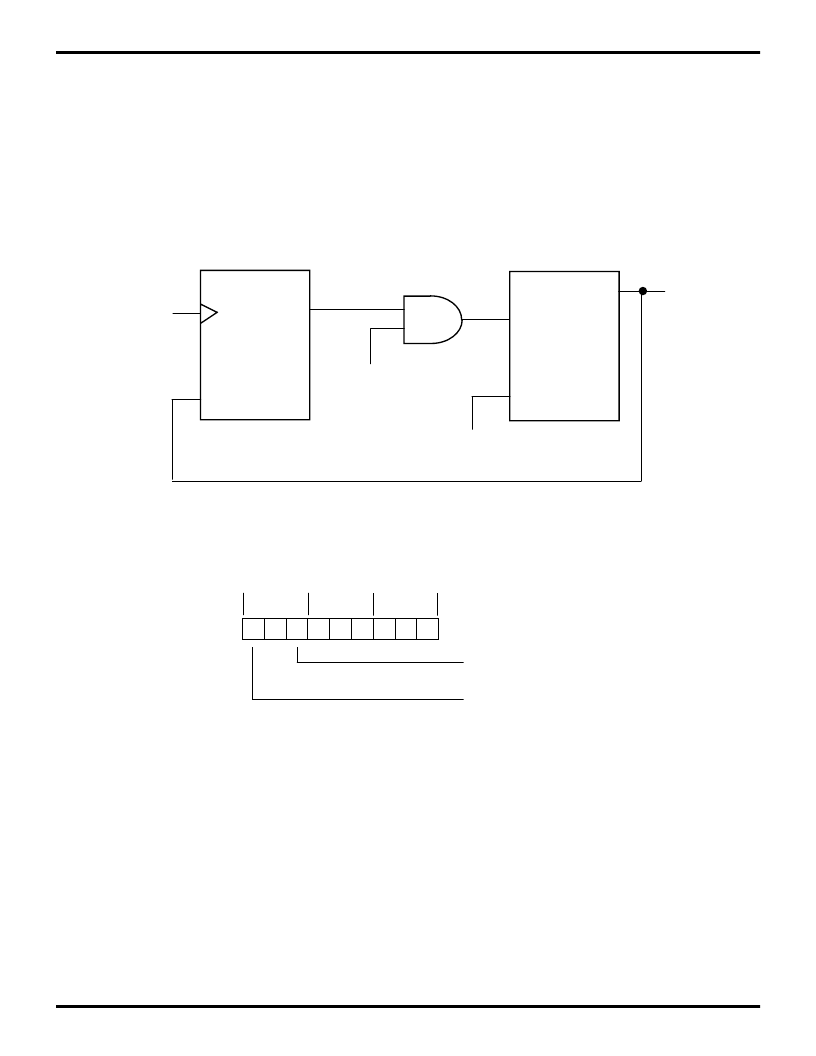
Figure 7-5 shows the logic diagram for the Interrupt Re-
quest (IRQ) Register. The leading edge of the request will
set the first flip-flop, that will remain set until interrupt re-
quests are sampled.
Requests are sampled internally during the last clock cycle
before an opcode fetch (Figure 7-6). External requests are
sampled two internal clocks earlier, due to the synchroniz-
ing flip-flops shown in Figures 7-3 and 7-4.
At sample time the request is transferred to the second flip-
flop in Figure 7-5, that drives the interrupt mask and priority
logic. When an interrupt cycle occurs, this flip-flop will be
reset only for the highest priority level that is enabled.
The user has direct access to the second flip-flop by read-
ing and writing the IRQ Register. IRQ is read by specifying
it as the source register of an instruction and written by
specifying it as the destination register.
Figure 7-5. IRQ Register Logic
Q
S
From
Priority
Logic
To Mask
and
Priority
Logic
IRQ
0
- IRQ
5
R
Q
R
Sample
Clock
Figure 7-6. Interrupt Request Timing
T1 T2 T3 T1 T2 T3 T1 T2 T3
External Interrupt
Request Sampled
Interrupt Request
Sampled Internally
Mn M1 M2
相關PDF資料 |
PDF描述 |
|---|---|
| Z80B-PIO | Z8 Microcontrollers |
| Z86E2116PSC | Z8 Microcontrollers |
| Z8300-1PS | 8-Bit Microprocessor |
| Z8300-3PS | Microprocessor |
| Z8340-1PS | I/O Controller |
相關代理商/技術參數(shù) |
參數(shù)描述 |
|---|---|
| Z80B-PIO | 制造商:未知廠家 制造商全稱:未知廠家 功能描述:Z8 Microcontrollers |
| Z80B-SIO/O | 制造商:未知廠家 制造商全稱:未知廠家 功能描述:Z8 Microcontrollers |
| Z80C30 | 制造商:ZILOG 制造商全稱:ZILOG 功能描述:CMOS SCC SERIAL COMMUNICATIONS CONTROLLER |
| Z80C30-06LME | 制造商:未知廠家 制造商全稱:未知廠家 功能描述:Communications Controller |
| Z80C30-06PSC | 制造商:未知廠家 制造商全稱:未知廠家 功能描述:Communications Controller |
發(fā)布緊急采購,3分鐘左右您將得到回復。